Content note: This article discusses the physical and emotional effects that can happen after sexual abuse. It does not describe explicit acts, but it may still feel heavy. Please read at your own pace and pause if you need to.
Disclaimer: This blog post is for information and support only. It is not medical advice and cannot diagnose any condition. If you have urgent symptoms or feel unsafe, please seek immediate help.
Sexual abuse is not only something that “happens in the mind.” Many survivors notice changes in sleep, appetite, pain levels, digestion, sexual functioning, or how their heart and breathing behave, sometimes immediately, sometimes months or years later. These reactions can be frightening and confusing, especially if you’ve been told to “just forget it,” to stay quiet, or to be ashamed.
You are not “weak,” “dirty,” or “overreacting.” When a person experiences sexual abuse, the body can respond as if danger is still present. That can create real physical symptoms, even when you deeply want to move on.
This article explains how that happens, what reactions are common, and when it may be time to get medical or mental-health support.
1) Trauma: what it is, and why the body reacts
Trauma is what can happen when your nervous system is overwhelmed by an experience that feels threatening, violating, or out of your control. Sexual abuse often involves fear, confusion, betrayal, coercion, or being unable to escape. Those conditions can train the body to stay on alert. Even after the abuse ends, your body may still act like it needs to protect you. That protection can show up as:
- tension and pain
- sleep problems
- stomach and bowel issues
- panic symptoms (heart racing, breathlessness, shaking)
- sexual or pelvic symptoms
- feeling emotionally numb or disconnected
These are not imaginary symptoms. They are real body responses that many survivors experience.
2) The body’s threat system: fight, flight, freeze, and fawn
Your body has an automatic survival system designed to keep you alive. When it senses danger, it may move into one of these states:
- Fight: anger, defensiveness, feeling “ready to snap,” muscle tightness
- Flight: restlessness, pacing, needing to escape, feeling unable to sit still
- Freeze: feeling stuck, unable to move or speak, going quiet, feeling “blank”
- Fawn: trying to please, comply, or keep someone calm to reduce harm
These responses are not choices in the moment. They are automatic. Many survivors feel guilt about freezing or complying, especially in cultures where people wrongly ask, “Why didn’t you fight back?” But the body can freeze when it believes that resisting could make things worse or feels impossible.
Over time, the nervous system can become used to scanning for danger. That ongoing “high alert” can affect sleep, digestion, hormones, immunity, and pain.
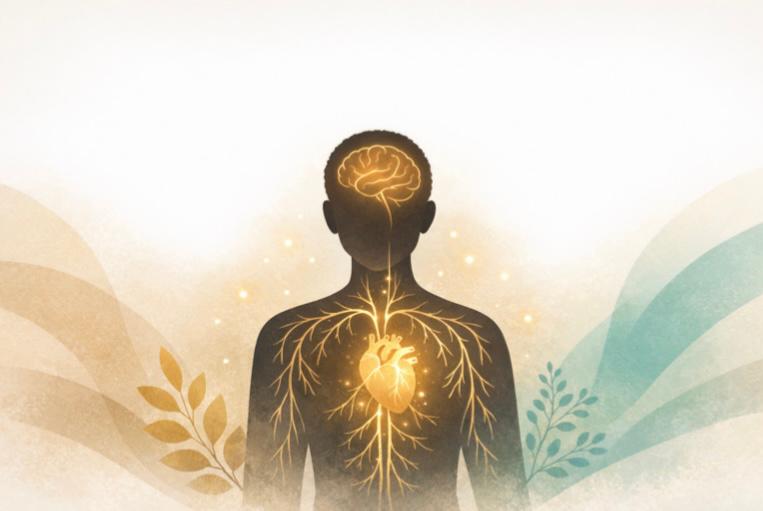
3) Stress hormones and the brain–body loop (in simple terms)
A few key parts of the brain are involved in trauma reactions:
- Amygdala: the brain’s alarm system. After trauma, it can become extra sensitive like a smoke detector that goes off too easily.
- Hippocampus: helps store memories with time and context (“that happened then; I am safe now”). Trauma can disrupt this, so reminders may feel like the danger is happening again.
- Prefrontal cortex: helps with reasoning, planning, and calming the alarm (“I’m okay; I’m in my room; I can think clearly”). Under stress, it may go “offline,” making it harder to self-soothe or make sense of feelings.
When the alarm system is activated, the body releases stress hormones like adrenaline and cortisol. In the short term, these hormones help you survive. But if the body stays in this stress mode for long periods, it can contribute to:
- disturbed sleep
- digestive changes
- headaches and body pains
- changes in appetite and weight
- frequent infections or flare-ups of inflammatory conditions
This is sometimes described as a brain–body loop: fear signals affect the body, and body sensations (tight chest, nausea, pain) can then increase fear, creating a cycle.
4) Common physical effects after sexual abuse (what they can look like)
Survivors’ bodies respond differently. You might have only one symptom, or many. Symptoms can also come and go.
Sleep disruption, nightmares, and fatigue
Sleep is often affected because the body doesn’t fully “stand down” from alert mode. Common experiences may include:
- difficulty falling asleep or staying asleep
- waking early with anxiety
- nightmares or stressful dreams
- feeling tired even after “enough” hours of sleep
- needing more sleep than usual
Hypervigilance, startle response, and panic symptoms
Your body may act as if it must be ready for danger.
You may notice:
- being easily startled by footsteps, voices, or sudden touch
- scanning rooms, checking locks repeatedly
- feeling “on edge” in crowds, public transport, or at night
- panic-like symptoms: shaking, sweating, nausea, chest tightness, fear of losing control
Muscle tension, chronic pain, headaches
Stress often lives in the muscles and joints.
Some survivors report:
- tight jaw, neck, shoulders, or back
- frequent headaches or migraines
- pelvic, hip, or lower back tension
- pain that worsens during stress or reminders
- flare-ups of older injuries
Pain does not mean you’re “imagining things.” But it does deserve assessment—especially if it is severe or changing.
Gastrointestinal issues (nausea, IBS-like symptoms)
The gut and nervous system are closely linked. Trauma can affect digestion.
Possible symptoms:
- nausea or “fluttering” stomach
- constipation, diarrhoea, or alternating both
- abdominal cramps, bloating, gas
- symptoms that worsen with anxiety, certain places, or interpersonal stress
Many conditions can cause these symptoms, so it’s worth discussing with a clinician, especially if there is blood in stool, weight loss, or severe pain.
Changes in appetite and weight
After trauma, appetite can change in either direction.
You may notice:
- loss of appetite or feeling full quickly
- increased appetite, cravings, or comfort eating
- weight changes that feel sudden or unexplained
- using food (or avoiding food) to manage emotion or numbness
These can be coping responses rather than “lack of discipline.”
Heart racing, breathlessness, and dizziness
When the threat system activates, the body prepares to run or fight—even if you’re sitting still.
Some people experience:
- fast heartbeat, pounding chest
- shortness of breath or sighing often
- dizziness, light-headedness
- tingling in hands/feet
- feeling like you might faint
These sensations can be part of panic, but they can also be related to medical conditions (like anemia, asthma, thyroid problems, heart rhythm issues). Getting checked is important.
Immune and inflammation effects (getting sick more often)
Long-term stress can affect immune function.
Some survivors notice:
- catching colds more frequently
- slower recovery from illness
- flare-ups of inflammatory conditions (varies by person)
This does not mean trauma is the only cause; nutrition, sleep, living conditions, and other health issues also matter.
Sexual, reproductive, and pelvic symptoms (respectfully and non-explicit)
Sexual abuse can affect the body’s sense of safety around intimacy and pelvic sensation.
Survivors of any gender may experience:
- Pain during sexual activity or discomfort with touch
- Vaginismus-like symptoms (tightening that makes penetration painful or difficult)
- Erectile difficulties or changes in arousal
- Loss of desire or fear of intimacy
- Pelvic pain that has no clear cause at first
- Menstrual changes (irregular periods, worse cramps, missed periods)
- Urinary symptoms (burning, urgency) sometimes linked to stress, sometimes infection
These symptoms are common after sexual trauma and they also can have medical causes. You deserve respectful medical care that takes your history seriously.
Dissociation and “numbing” sensations
Some survivors feel disconnected from their bodies, especially in stressful moments.
This can include:
- feeling “far away” or unreal
- going blank, losing track of time
- numbness in parts of the body
- feeling emotions shut down suddenly
Dissociation can be the brain’s way of protecting you when something feels overwhelming.
Skin reactions and other stress-linked conditions
Stress can worsen certain skin and body conditions. Some people notice:
- eczema flare-ups or itching acne worsening
- hives during anxiety
- hair shedding during prolonged stress (can have other causes too)
5) Why triggers can cause sudden body reactions
A trigger is anything that reminds your brain/body of danger. Triggers are often sensory and unexpected. They can include:
- a smell (perfume, alcohol, disinfectant)
- a tone of voice, certain words, or footsteps
- a location (a street, room, or building)
- certain media scenes
- touch that is sudden or feels controlling
- anniversaries, holidays, or specific times of year
When triggered, your body may react before you understand why: tight chest, nausea, shaking, numbness, anger, or shutting down. This does not mean you are “dramatic.” It can mean your nervous system has learned to protect you quickly.
6) When to seek help (red flags and urgent concerns)
You deserve support even if your symptoms don’t feel “serious enough.” But some situations especially call for prompt help.
Seek urgent medical help now (emergency services or nearest hospital) if:
- you faint, collapse, or have severe dizziness
- you have chest pain, severe breathlessness, or feel you cannot breathe
- you have severe abdominal or pelvic pain
- you have heavy bleeding or signs of pregnancy complications
- you have thoughts of harming yourself or you feel unable to stay safe
Seek medical/clinical support soon if you have:
- persistent insomnia or nightmares affecting daily life
- panic symptoms that keep worsening
- new or worsening pelvic pain, urinary pain, or sexual pain
- concerns about STIs or possible pregnancy
- unexplained weight loss, ongoing vomiting, or blood in stool/urine
- frequent infections, extreme fatigue, or symptoms that don’t improve
- headaches that are severe, new, or different from usual
A clinician can check for treatable medical causes and take trauma into account, not one or the other.
7) What kinds of support can help (high-level overview)
Healing often works best with support that respects your dignity and choices. Options that may help include:
- Trauma-informed counselling/therapy: Support that understands how trauma affects the body and does not blame you. (Approaches may include trauma-focused CBT, EMDR, or other evidence-based care and availability varies.)
- Medical evaluation: A primary care doctor, gynaecologist, urologist, or clinician at a teaching hospital can assess pain, bleeding, infections, hormonal issues, or sleep problems.
- Psychiatry support (when needed): For severe anxiety, depression, PTSD symptoms, insomnia, or dissociation. Medication may help some people, especially alongside therapy.
- Support groups or survivor networks: Many survivors find it easier to feel “less alone” when they meet others who understand.
- Trusted adults/advocates: A safe family member, faith leader who is survivor-supportive, community advocate, or social worker can help you access services without forcing you to disclose details.
You have a right to ask for respectful care, to ask questions, and to stop any conversation or exam that feels unsafe.